What to Expect From Clear Aligner Treatment From an Invisalign® Dentist
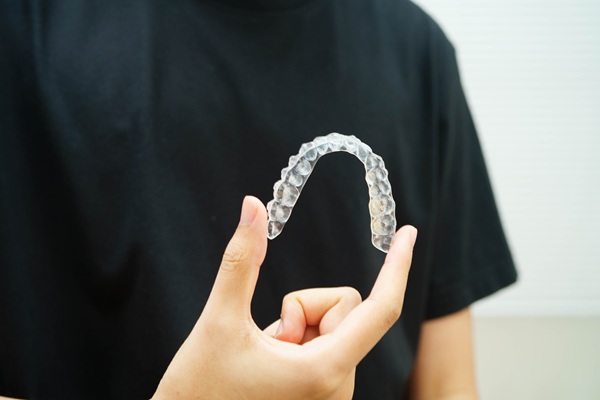
When you look for an Invisalign® dentist, the goal is to achieve a straighter smile without the hassle or appearance of traditional metal hardware and wires. This modern approach to teeth straightening relies on clear aligner sets to shift the teeth into place with high accuracy. The process is straightforward. However, the success requires a solid partnership between you and your chosen Invisalign dental team.
The initial consultation
The first consultation visit involves more than a quick look at the patient’s teeth. An Invisalign dentist uses a hand-held wand to take a digital 3D image of the patient’s entire mouth, creating a map of their unique dental arches and oral structures. Unlike traditional straightening treatments, there is no need to sit with a mouthful of messy, cold putty. These scans show every detail of the tooth positions and the way the bite fits together. Once the scans are complete, the dental team can build a custom plan to move each tooth into its desired position.
A patient-first strategy for long-term results
After the Invisalign dentist reviews the digital scans, they will program a sequence of movements into the software. It is important to remember that this plan is not a one-size-fits-all solution. Rather, it is a unique path for each specific smile. The software can show a simulation of what the final result will be before the trays are made.
Even with personalized results, the success of Invisalign treatment depends on several factors. Some of these include:
- The number of aligner sets in the series
- The specific angle of each tooth movement
- The schedule for each aligner set
- The patient’s overall oral health
- The patient’s bite alignment
Each of these details helps ensure the final result is functional and long-lasting, taking the guesswork out of the teeth-straightening process.
Progress checks
Regular visits to the Port Allen office allow the Invisalign dentist to check the movement of the teeth. These appointments are brief and do not involve the pain of tightening wires. If a tooth is not on track, the dentist can adjust the plan.
How to care for the aligners
For the treatment to work, the trays must stay in the mouth for 20 to 22 hours each day. Patients should remove the aligners only for meals and to clean their teeth. A clean mouth prevents stains and keeps the breath fresh during the day.
To keep the process on track, a few simple habits are necessary, such as:
- Rinse the trays after removing them
- Brush and floss after every snack or meal
- Avoid hot liquids
- Store the trays in their designated case
- Follow the order of the aligner sets
- Clean the aligners with a soft brush
- Keep the previous set of trays as a backup
Remember: consistent wear and care are the most effective ways for patients to reach the goals set at the start of the process.
The retention phase
Once the teeth reach their desired position, the final step is retention. During this phase, the patient will need to wear a retainer at night to prevent their teeth from shifting back to their original positions. While retainer use is emphasized most in the initial 6 to 12 months after treatment, they will likely need to wear a retainer for the rest of their lives to protect their investment.
Schedule a consultation today
Your choice to work with an experienced Invisalign dentist ensures that your teeth-straightening treatment is safe and effective. Are you ready to get started? Call GBR Dental at our Port Allen office to schedule a consultation.
Request an appointment here: https://portallendental.com or call GBR Dental at (225) 298-9980 for an appointment in our Port Allen office.
Check out what others are saying about our dental services on Yelp: Invisalign Dentist in Port Allen, LA.
Related Posts
Patients have likely heard from a dental practice in the past that fluoride is critical to good oral health. However, some patients do not know about the advantages of fluoride and might have some questions. They might wonder how to incorporate it into a daily routine. Keep reading to learn more about why fluoride is…
During a dental practice visit, dentists assess the patient and then treat the issues scheduled for that day. It is a dentist’s responsibility to provide safe and extensive dental treatments. The patient goes home with a cleaner, healthier mouth and a better perspective about dental health. Each dental practice has its own set of steps…
Good dental practice stresses that developing cavities is a common health issue. Cavities affect the elderly, adults, teenagers, and children. The accumulation of bacteria results in plaque. Because plaque is sticky, it keeps pouring acids on teeth. This destroys the enamel layer. When this happens, cavities appear in the form of holes in teeth.Cavities come…
A dental practice can elevate one’s dental health. Being gifted with good teeth does not mean that they will last forever. Once permanent teeth are set in, maintaining dental health is crucial. Extending that care into one’s home makes sure that teeth and gums keep off dental problems. Here are some tips for practicing proper…